
One of the most frustrating scenarios in lure fishing is watching a target fish aggressively pursue an artificial bait all the way to the shoreline, only to suddenly turn tail and flee back into the depths without ever committing to a definitive strike. This is a common predicament that baffles many enthusiasts. A comprehensive analysis of the underlying causes and practical experiences is essential to help anglers overcome this hurdle and elevate their overall fishing success.
Taking the Chinese hooksnout carp, a frequent target in everyday lure fishing, as an example: when utilizing a spinnerbait as the primary lure, it is common to observe the fish closely trailing the flashing blade, yet producing no obvious bite marks. This trailing behavior definitively proves that the lure has successfully attracted the fish and piqued its curiosity. However, the absence of a physical strike requires a deeper level of analysis. The fish’s interest has clearly been engaged, but its hesitation to launch a final attack suggests an underlying sense of caution.
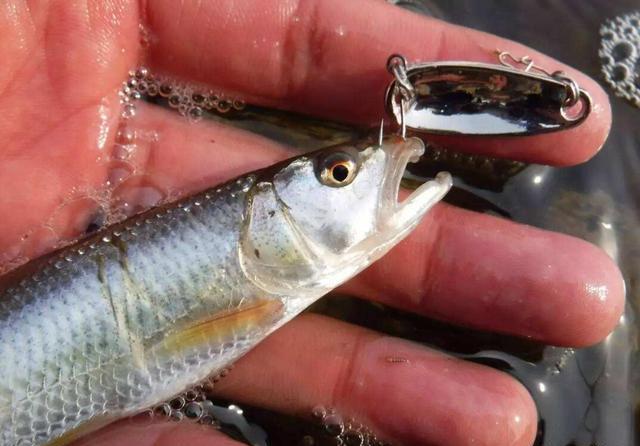
This phenomenon primarily stems from two major categories of factors. First, external environmental conditions play a pivotal role. Issues such as low dissolved oxygen levels in the water, significant temperature differentials throughout the day, or simply fishing at an inappropriate time can drastically diminish a fish’s natural desire to attack and prey. Second, while the lure possesses enough allure to draw the fish in, the fish remains highly wary of the artificial presentation. This apprehension can be caused by either an insufficiency in the lure’s stimulating action or, conversely, an overstimulation that appears unnatural. The key to resolving this dilemma lies in tactical adaptability. Anglers should experiment with changing retrieval techniques and swapping to lures of different colors and sizes. By dynamically adjusting the intensity of the stimulation—either amplifying or muting the lure’s provocative action based on the specific fishing environment and the mood of the fish—an angler can trigger the elusive strike.
Summarizing the “follow but no strike” conundrum, several strategic countermeasures can be implemented. Beyond the external environmental variables already mentioned—which also include the breeding season, where fish are driven to repel intruders rather than consume them—meticulous attention to gear and tactics is crucial. It is important to inspect the spinnerbait to ensure its finish remains vibrant and reflective, as presenting a flawless swimming action is paramount in lure fishing. Furthermore, downsizing the lure’s hooks, with a strong preference for single hooks, can significantly reduce resistance and increase the hookup ratio. The wariness of the fish is also a major factor; in heavily pressured waters where fish have been caught and released multiple times, they naturally become spooked, leading to much lighter, more hesitant bites. A highly effective, field-tested DIY strategy involves tying a small tuft of feather to the hook of the spinnerbait, which has proven to yield remarkable results in actual combat situations. Finally, when all else fails, drastically altering the retrieval cadence or switching to an entirely different category of lure can often break a stubborn fish’s hesitation.
Fundamentally, the angling attitude advocated by the lure fishing method is deeply rooted in a green, eco-friendly philosophy. It creates a unique and distinct separation between the psychological satisfaction of the angler and the physical possession of the fish itself. It is precisely this distinctive ethos that has captivated an ever-growing number of participants. When out on the water, the practice of a reasonable and legal “catch-and-release” sport is strongly advocated. Employing proper release techniques and philosophies to safely return fish to their habitat is by no means a mere performance; rather, it is a crucial practice that ensures the preservation of aquatic ecosystems, thereby guaranteeing the endless bounty of fish resources and infinite enjoyment for future generations of anglers.